


Kindergarten Colored School Furniture: Creating Bright and Engaging Learning Spaces
Designing a kindergarten classroom goes beyond just filling a room with desks and chairs—it’s about creating an environment that inspires creativity, comfort, and curiosity. Colored school furniture plays a vital role in early childhood education by making classrooms more engaging, welcoming, and effective for young learners.
1. Stimulates Creativity and Imagination
Brightly colored furniture naturally attracts children’s attention and encourages creative thinking. Colors like red, yellow, blue, and green can energize a classroom, making learning feel fun rather than routine. A vibrant environment helps children stay interested and actively participate in activities.
2. Enhances Learning and Focus
Different colors can influence mood and behavior. For example, blue tones promote calmness and concentration, while yellow stimulates happiness and energy. By incorporating a variety of colors into classroom furniture, schools can create a balanced atmosphere that supports both focus and play.
3. Designed for Safety and Comfort
Kindergarten furniture is specifically designed with young children in mind. Rounded edges, smooth finishes, and non-toxic materials ensure safety during daily use. Lightweight designs also make it easy for children and teachers to move furniture around for different activities.
4. Encourages Interaction and Collaboration
Colored furniture often comes in modular designs, allowing flexible classroom arrangements. Whether it’s group tables, shared seating, or activity stations, these setups encourage teamwork, communication, and social development among children.
5. Durable and Easy to Maintain
Despite their playful appearance, kindergarten furniture is built to withstand active use. High-quality plastic, wood, and metal combinations ensure durability, while surfaces are easy to clean—an important factor in maintaining hygiene in early learning environments.
6. Supports Organized Learning Spaces
Different colors can be used to organize classroom areas. For example, one color for reading corners, another for play zones, and another for art stations. This helps children easily identify spaces and routines, improving classroom management.
7. Promotes Emotional Well-Being
A colorful environment creates a positive and welcoming atmosphere. Children feel more comfortable and excited to attend school when their surroundings are cheerful and visually appealing. This can significantly improve their emotional well-being and readiness to learn.
Conclusion
Kindergarten colored school furniture is more than just decorative it’s a powerful tool for enhancing early childhood education. By combining safety, durability, and vibrant design, schools can create spaces that nurture creativity, collaboration, and joyful learning.
Investing in high-quality, colorful furniture ensures that young learners have a supportive and inspiring environment where they can grow, explore, and thrive.

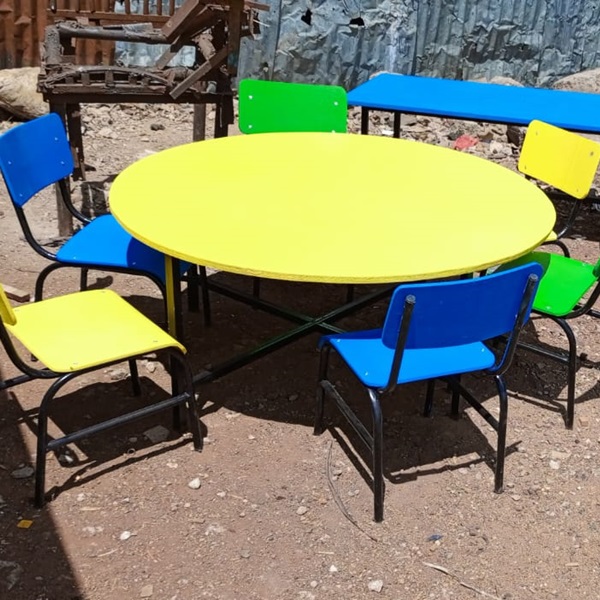

 School Classroom Chairs